

Seasons of the Still

Whiskey isn ’t just made —it’ s grown.
From the golden fields of grain to the quiet aging in oak barrels, every season leaves its mark on the spirit. Whether it’s the summer heat swelling casks or winter’s chill slowing maturation, distillers dance with the elements to craft liquid gold. Here’s how the turning of the year transforms whiskey f rom mash to masterpiece. mash bills based on early harvest quality, adjusting for sweetness, spice, or earthy depth.
Spring: The Season of New Beginnings
Fresh Crops & Mash Bill Magic
Spring’s arrival means planting barley, corn, rye, and wheat—the soul of whiskey’s flavor. Distillers often tweak mash bills based on early harvest quality, adjusting for sweetness, spice, or earthy depth.
Yeast Awakens
Warmer temperatures revive fermentation, creating lively, f ruity esters. Some Scotch distilleries even open warehouse windows to let spring breezes influence the mash’s microbial profile.
Fun Fact:
In Japan, sakura (cherry blossom) season inspires limited-edition wood finishes, adding delicate floral notes.
Summer: The Angel’s Share Rises
The Swell & The Shrink
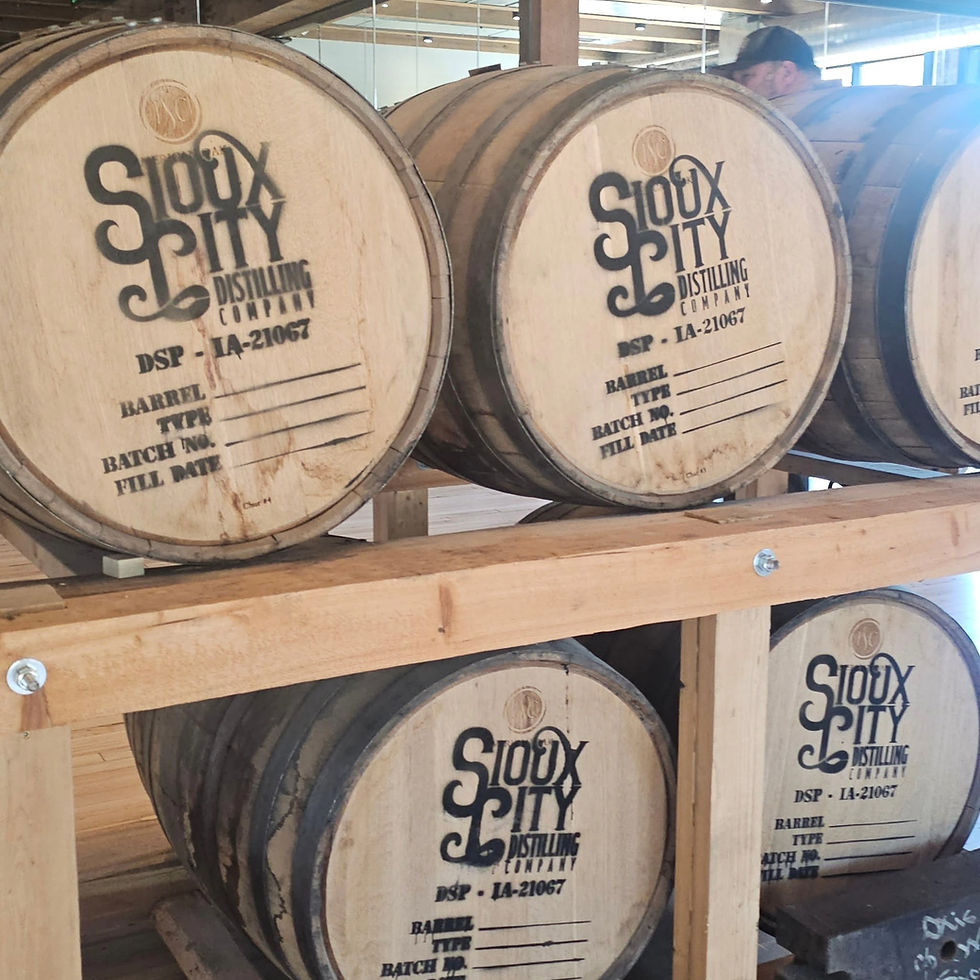
As temperatures climb, whiskey barrels expand and contract, pushing spirit deeper into the oak. This extracts bold vanilla, caramel, and coconut tones— especially in bourbon’s scorching Kentucky rickhouses.
Peat’s Time to Shine
In Scotland and Ireland, summer is prime peat-cutting season. The damp, earthy fuel will later smoke malted barley, infusing those iconic smoky, medicinal notes into Islay Scotch.
Pairing idea:
Try an oaky bourbon with cinnamon-dusted apple pie—autumn in a glass.
Autumn: Harvest & Deepening Flavors
Grain Gathering
Distillers rush to harvest barley at peak ripeness—too early, and the whiskey lacks body; too late, and sugars turn starchy. Pumpkin-spiced whiskey trends aside, autumn’s real magic is in the grain.
Slow Sipping Season
Cooler temps mean barrels rest more quietly, allowing subtler flavors (honey, dried f ruit, baking spice) to develop. It’s why aged Scotch and rye often taste richer when bottled in fall.
Pro Tip:
Summer’s heat accelerates aging— some hot-climate whiskies (like India’s Amrut) mature twice as fast as Scotch.
Winter: The Silent Sculptor
The Cold’s Quiet Work
Freezing winters cause whiskey to retreat f rom barrel walls, pausing extraction. This "hibernation" creates smoother, more integrated flavors—think Canadian whiskies with their mellow, approachable profiles.
Ice Distillation?
Some adventurous distillers (like Sweden’s Mackmyra) f reeze-distill whiskey for intense, concentrated flavors —perfect for sipping by a fireside.
Did you know?
Scotch aged in seaside warehouses absorbs briny, maritime notes from winter storms.
Your Seasonal Whiskey Guide
Spring: Floral, grassy malts (e.g., Irish single pot still).
Summer: Bold, oak-heavy bourbons or smoky Islay Scotch.
Autumn: Spiced ryes or sherry-cask-finished drams.
Winter: Rich, aged single malts or wheated bourbons.
The Last Pour
Next time you sip a whiskey, remember: it’s a living thing, shaped by sun, wind, and time. Seasons don’t just pass—they infuse. So raise a glass to the elements, and savor the taste of the year itself.


Comments